The best health insurance for self-employed Floridians in 2026 usually comes down to two paths: a private, off-exchange PPO if you're reasonably healthy and want nationwide doctor access at a lower premium, or an ACA Marketplace plan if your income qualifies you for a subsidy or you have pre-existing conditions. There's no single "best" plan for everyone — the right answer depends on your health, your income, and how you like to see doctors. This guide walks through both, plus the tax break most self-employed people leave on the table.
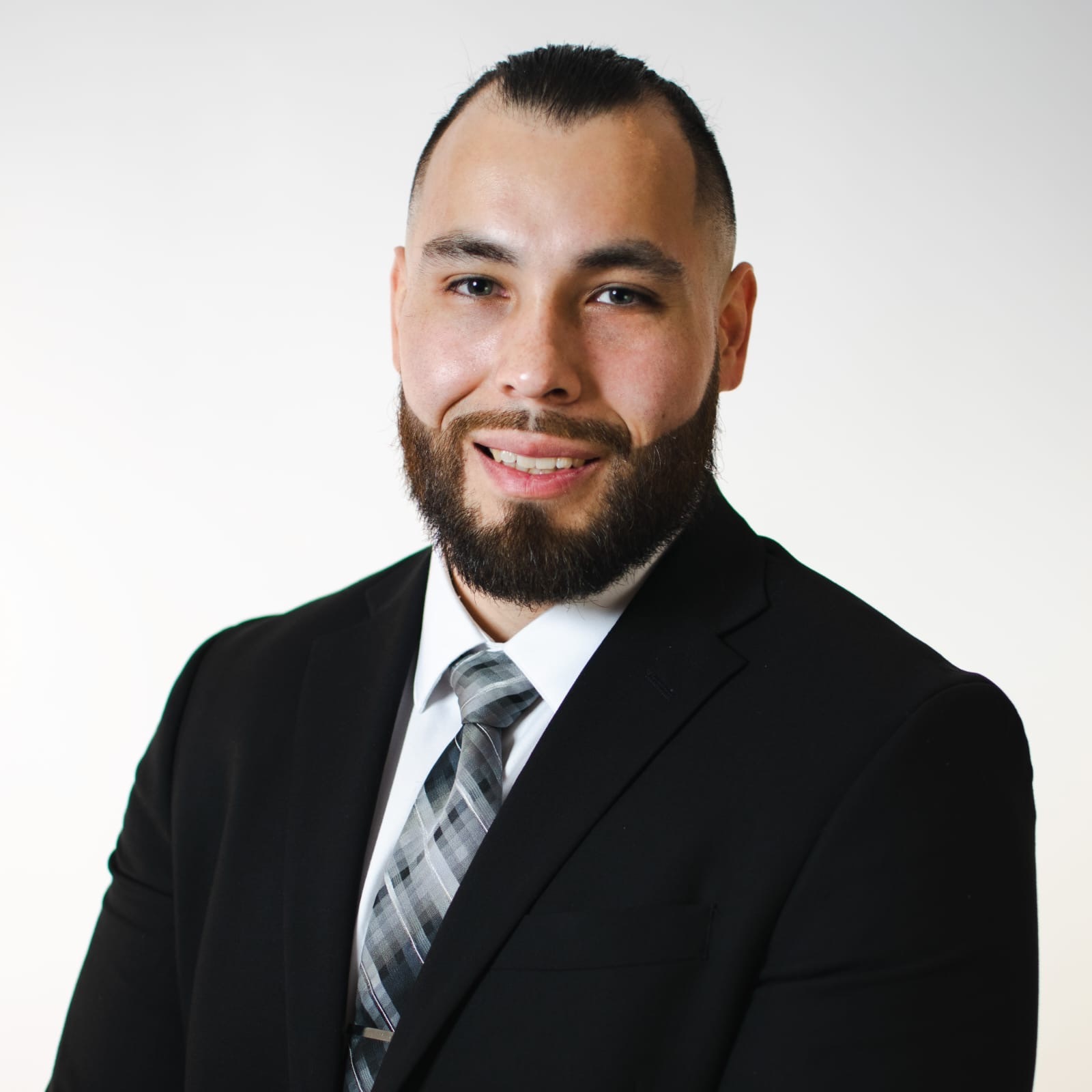
I'm Bernie Sobalvarro, a licensed Florida broker, and I help self-employed people compare these options every week. Using a broker like me is free to you — we're paid by the insurance carriers, not by you.
Why being self-employed changes the math
When you work for yourself, there's no employer splitting the premium and no HR department handing you a plan. You cover 100% of the cost — but you also get two advantages most employees don't: you can shop the entire market instead of one company's menu, and you may be able to deduct your premiums on your taxes. The trick is knowing which plans exist and which one actually fits your situation.
The tax break most self-employed Floridians miss
Here's the piece that changes the real cost: the self-employed health insurance deduction lets many self-employed people deduct up to 100% of the premiums they pay for themselves, a spouse, and dependents — taken "above the line," so you get it whether or not you itemize. If you have net profit from your business and aren't eligible for coverage through an employer or a spouse's plan, you likely qualify.
What that means in plain English: a plan that costs $400 a month isn't really costing you $400 if you can deduct it — your actual out-of-pocket cost after taxes can be meaningfully lower. This applies to private PPO premiums too, not just Marketplace plans. It does not reduce the price you pay each month; it reduces your taxable income at tax time. Confirm the details with your CPA — this is general information, not tax advice — but don't skip it, because it can swing which plan is truly the "best" value for you.
Your best options in 2026, side by side
Here are the four routes self-employed Floridians typically consider. Costs are 2026 estimates for a healthy adult and vary by age, county, and plan — treat them as ballparks, not quotes.
| Option | Best for | Est. monthly cost (FL, 2026) | Doctor access | Main tradeoff |
|---|---|---|---|---|
| Private PPO (off-exchange) | Healthy self-employed who want broad, nationwide access and a lower premium | $250–$500 | Broad nationwide PPO | You must qualify medically; no ACA subsidy |
| ACA Marketplace plan | Lower or variable income, or anyone with pre-existing conditions | $0–$400 after subsidy | Often HMO / narrower | Subsidy tied to your income estimate; enroll in-season |
| Health care sharing | Budget-focused, healthy people comfortable with the risk | $150–$400 | Varies widely | Not insurance; not guaranteed to pay claims |
| Short-term plan | Bridging a short coverage gap | $100–$300 | Varies | Limited coverage; won't cover pre-existing conditions |
For most healthy self-employed people who earn too much for a big subsidy, the private PPO is the sweet spot — these plans never appear on the government Marketplace, so people don't know to ask for them. If your income is lower or you manage a health condition, the ACA Marketplace is usually the safer, stronger choice. A broker can price both side by side in minutes.
A real example
Elena, a freelance marketing consultant in Fort Lauderdale, netted about $85,000 last year — too much for a meaningful ACA subsidy. She was about to buy a $520/month Marketplace plan. Because she's healthy, she qualified for a private PPO with nationwide access at $310 a month instead. On top of that, she deducts those premiums against her self-employment income, which trims her tax bill further. Same coverage quality, roughly $2,500 less over the year before the tax savings — simply because she knew the off-exchange option existed.
How to choose the best plan for you
Run through this quick checklist before you buy:
- Estimate your annual income — it determines whether an ACA subsidy is worth more than a private PPO.
- Check your health honestly — private PPOs reward healthy applicants with lower premiums; pre-existing conditions point you to the Marketplace.
- List your must-have doctors — confirm they're in-network before you enroll.
- Factor in the tax deduction — the after-tax cost, not the sticker price, is what matters.
- Compare both markets — never buy without seeing the off-exchange options too.
Not sure which fits? Talk to a licensed Florida broker — free. We'll show you every option, on and off the Marketplace, with no pressure.
Frequently asked questions
What's the best health insurance for self-employed people in Florida? There's no one answer. If you're healthy and earn too much for a subsidy, a private off-exchange PPO is often the best value. If your income is lower or you have pre-existing conditions, an ACA Marketplace plan is usually stronger. Comparing both is the only way to know.
Can I deduct my health insurance premiums if I'm self-employed? Often up to 100%. If you have net self-employment income and aren't eligible for an employer's or spouse's plan, you can typically deduct premiums above the line. Confirm specifics with your CPA.
Do I have to use the government Marketplace? No. Private, medically-underwritten PPOs never show up on the Marketplace, and for healthy people they're frequently cheaper with broader networks. A broker can compare on- and off-exchange plans together.
How much does self-employed health insurance cost in Florida in 2026? As a ballpark, private PPOs run about $250–$500 a month for a healthy adult, and ACA plans range from $0 to roughly $400 after subsidies. Your real number depends on age, county, and health. These are estimates, not guaranteed quotes.
Where to go from here
You don't have to figure this out alone, and it costs nothing to get help. As an independent broker I'll compare private PPOs and Marketplace plans for your exact situation and show you the after-tax cost of each. For a related read, see our guide to health insurance for freelancers and gig workers in Florida, or learn how our individual and family plans work.
Ready for real numbers? Get a free quote, book a call at tidycal.com/team/Sobal Health Advisors/new-members-policy-review, or call me directly at (305) 680-0125.
By Bernie Sobalvarro, Licensed Health Insurance Broker (NPN 19189235). Updated July 2026. Sobal Nationwide Health is a licensed independent insurance brokerage and is not affiliated with any government agency. We do not offer Medicare or Medicaid plans. All quotes are estimates, not guarantees of coverage or price.