
How to Find Affordable Health Insurance in Florida (2026)
July 27, 2026 · by Bernie Sobalvarro



Finding affordable health insurance in Florida comes down to three moves: compare private PPO and off-exchange plans if the full premium you already saw felt too high, look at a plan's total yearly cost instead of just its monthly premium, and let a licensed broker shop the carriers for you at no extra charge. Consultations are by phone or webinar screen share. Here's the step-by-step I walk my Florida clients through.
1. Compare private PPO and off-exchange plans
If you already priced a plan and the full premium felt too high, or you want a wider network of doctors and hospitals, a private PPO plan sold off the exchange can be the better value — especially if you are reasonably healthy. These plans are not sold on HealthCare.gov, so people often do not know they exist. As an independent agency, I can put a private plan beside the full-price option you may already have seen and show you the real yearly cost, instead of pushing whatever one company happens to sell.
Florida uses the federal Health Insurance Marketplace at HealthCare.gov for ACA plans. That remains a real path, especially if you have a pre-existing condition or you need a plan that must accept everyone. This guide is for people who want a broker to compare private and off-exchange coverage, not a walkthrough for premium tax credits.
2. If you already priced a full-premium plan
This is the most common starting point I see, especially with self-employed and 1099 folks who already looked up a price and thought coverage was out of reach. If you are reasonably healthy, a medically underwritten private plan may come in lower than the full premium you were quoted, with a broader network in some cases. Approval and price depend on your health, and pre-existing conditions can be excluded or limited — we will tell you early if that path is not a fit. You can read more on our personal & family coverage page.
3. Look past the premium to the total cost
The cheapest monthly premium is not always the cheapest plan. A rock-bottom premium usually comes with a high deductible, so you pay more out of pocket before coverage kicks in. When I compare plans for someone, I look at four numbers together: the premium, the deductible, the out-of-pocket maximum, and whether your doctors and prescriptions are in-network. A plan that costs a little more each month can save you thousands if you actually use your coverage. For a deeper breakdown, see how to lower your health insurance costs in Florida.
4. Compare total cost, not just the premium
A low monthly premium with a high deductible can cost more over a year than a slightly higher premium with a deductible you can actually meet. When we compare private PPO and off-exchange plans, we look at premium, deductible, out-of-pocket maximum, and whether your doctors are in network — not the sticker price alone.
5. Time it right
Open Enrollment for 2026 coverage runs from November 1 through January 15 — that's when anyone can enroll or switch plans. Outside that window you generally need a qualifying life event (losing job-based coverage, moving, marriage, a new baby) to open a Special Enrollment Period. If you've had a change like that recently, you may be able to sign up right now, so it's worth a quick call to check.
A quick real example
Here is the kind of conversation I have often, described in general terms and labeled illustrative — not a typical result and not a promise of any price. A self-employed contractor in Broward County had been shopping premiums alone and picking the lowest number, which stuck him with a deductible he would never realistically meet. We compared a private PPO-style plan against the full-price option he already had, checked his doctors, and looked at total yearly cost instead of the monthly sticker price. The point is not a particular dollar amount. It is that buying the first cheap-looking plan, without a side-by-side comparison, is how people overpay.
Work with a local broker — it's free
Here's the part people don't realize: a licensed broker doesn't cost you anything. We're paid by the insurance company, and the plan price is the same whether you use us or sign up alone — but you get someone who shops the carriers, checks your doctors, and helps if a claim ever gets messy. I'm licensed in 31 states, including Florida, and I help clients by phone or webinar screen share, in Plantation and statewide. If you've got questions before you commit, our FAQ page covers the ones I hear most.
Frequently asked questions
Is there really free help to find a cheaper plan?
Yes. A licensed health insurance broker is paid by the carriers, not by you, so the guidance and the plan cost you the same as going it alone — you just get an expert in your corner.
What's the cheapest health insurance in Florida?
There's no single answer, because it depends on your age, which doctors you want, and the total yearly cost — premium plus deductible and out-of-pocket costs — not the monthly sticker price alone. For reasonably healthy people paying the full premium, a private PPO is often the comparison to run first, but the cheapest plan on paper isn't always the best value.
Can I find affordable coverage if I'm self-employed?
Yes — this is one of the most common situations I help with. Self-employed Floridians can compare private PPO and off-exchange plans with the full-price option they may already have seen. If you have a pre-existing condition, a guaranteed-issue ACA plan is still a real path. Consultations are by phone or webinar screen share.
When can I sign up?
During Open Enrollment (November 1–January 15) anyone can enroll. Outside that, you need a qualifying life event for a Special Enrollment Period — so check with me if something has changed.
Ready to see your real numbers? Get my free quote or call me directly at (305) 680-0125. I'll shop every option and tell you straight which plan gives you the most coverage for the least money.
Sobal Nationwide Health does not sell Medicare or Medicaid plans.
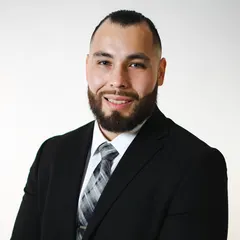
Licensed Health Insurance Advisor · Florida + 30 more states · Hablamos Español